

Simple Tips To Show Care During Home Health Services
When a loved one is homebound, their world can feel far too small. A recent surgery, a chronic condition, a new medication, or a combination of factors may make your loved one feel isolated, lonely, and discouraged. Days that once included social outings, celebrations, and even casual errands turn into a limiting experience that even a “homebody” would find uncomfortable.
If you’re wondering how to let your loved one know you’re thinking about them while they’re homebound and receiving home health services, you have an opportunity to take action and make thoughtful gestures that make your loved one feel cared for. You can even find ways to support their well-being as they walk the path to recovery.
The Challenges of Social Isolation
Loneliness is often overlooked as a serious health risk for homebound adults. The National Institute on Aging states that loneliness and isolation have a direct effect on depression and anxiety, which in turn affect physical health. The Centers for Disease Control links loneliness to heart disease, stroke, and dementia. The effects of loneliness have often been compared to smoking or physical inactivity.
Teams that offer home health services to seniors and other adult populations understand the challenges that come with being homebound. These services are meant to help loved ones feel encouraged, energized, and hopeful, even when they’re stuck at home. You can also play your role in helping create an environment that helps your loved one feel safe, empowered, and look forward to better days.
Helping To Set Up the Home Environment During Home Health Services
If you’ve ever felt satisfied and calm after cleaning or organizing your house, you understand this basic concept: your environment affects how you feel. When you’re homebound, your environment matters even more. If your home doesn’t feel comfortable, your loved one isn’t being given the best chance to thrive as they receive home health services from an agency.
But you can make a few thoughtful changes to transform it. Consider the following:
- Let in natural light.
- Rearrange furniture to face windows for a view of nature.
- Bring fresh flowers or houseplants.
- Use scent diffusers for aromatherapy (if approved by their care team).
- Display family photos, artwork, or meaningful objects.
- Bring comfort home with new throw blankets and other cozy items.
- Ensure your loved one has a side table for drinks, reading, and other activities.
These details may seem minor, but to your loved one they will mean the world. You are letting them know that their home is being cared for intentionally and that their daily experience matters to you. People tend to show up during a crisis, but being there in the off-hours is even more important. It shows you’re thinking of your loved one when others may be occupied.
Fostering Social Connection
Considering the CDC’s and National Institute on Aging’s insights, social connection is critical to your loved one’s well-being. Luckily, in today’s world, connection no longer requires leaving the house. Using creativity and technology, you can bring people in, even when your loved one can’t go out.
- Set up regular video calls with family members. Use a tablet, which is easier for video calls than holding up a phone.
- Invite friends, neighbors, and members of your loved one’s community, such as church members, to visit on a rotating schedule.
- Explore volunteer options, such as AARP’s Friendly Voice program, which can arrange regular calls for homebound loved ones.
- Find out if your loved one’s faith community offers live-streaming or recorded worship services.
Creating Daily Routines During Home Health Services
One of the most difficult parts of being homebound is the unstructured time. Structure allows us to keep and form daily habits. However, it can be difficult to know what to do when daily obligations disappear. You can help your loved one create a daily routine that provides structure and keeps them looking forward to what’s next.
Consider these routines to keep your loved one engaged and purposeful:
- Create a morning ritual like reading or having coffee at the same time each day.
- Do an activity that contributes to the house, even if it is something small, like watering plants.
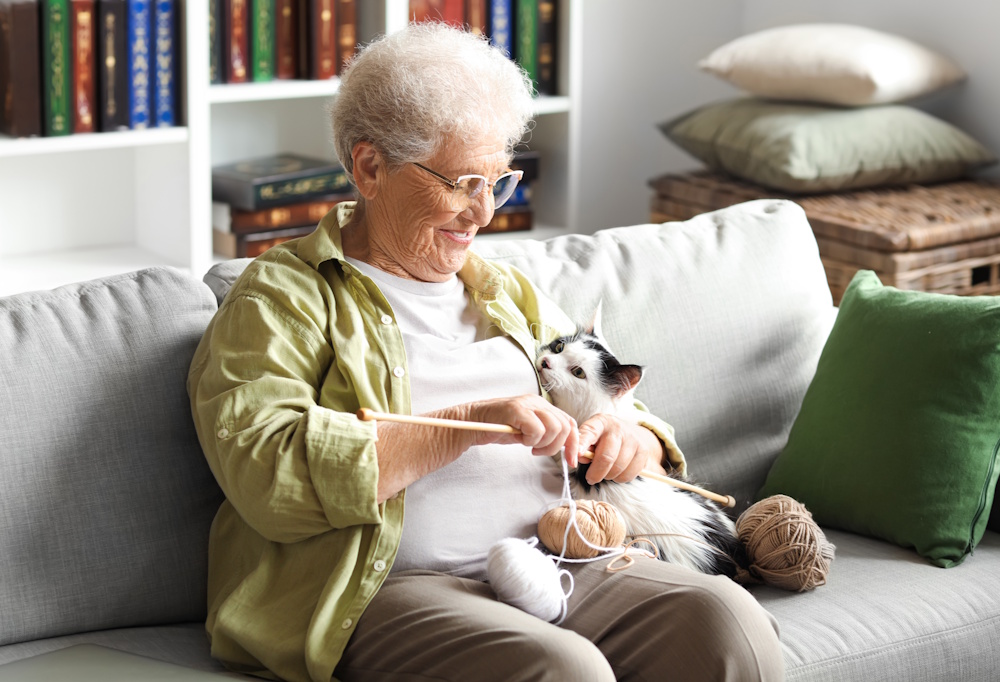
- Include a creative activity, such as drawing, crocheting, working on a scrapbook, or something else your loved one enjoys.
- Build in time for mental stimulation with puzzles, crosswords, or learning something new through an online class or by listening to an audiobook.
- Help them commit to a consistent bedtime to prioritize the healing power of sleep.
Engaging Your Loved One Beyond Their Health Condition
It is just as important to offer care that has nothing to do with their homebound status and healthcare challenges. You may find that you fall into a habit of discussing symptoms, medications, appointments, and how they’re feeling that day. Although there is nothing wrong with these kinds of conversations with your loved one, this isn’t all they are.
One of the most thoughtful things you can do is ensure your loved one is seen as a whole person. Center the conversation around their opinions on recent news. Discuss books, movies, and memories. Have them tell family stories or teach something new to the younger people in your family. Share what is going on in your life and use that as a springboard for discussion.
This kind of attention reminds your loved one that they have much to offer and are valued for who they are, and that you’re not just paying attention to them because of their condition.
How To Help With Nutrition and Movement During Home Health Services
For families with a loved one receiving home health services from an agency, these two areas are also important ways to help your loved one feel their best. Supporting healthy nutrition and hydration, ensuring your loved one includes movement in their day, and finding opportunities to be outdoors are all critical parts of healing.
How to help with nutrition and hydration:
- Stock the kitchen with foods your loved one enjoys and can prepare easily.
- Look into meal delivery services, including programs like Meals on Wheels, which your loved one may be eligible for.
- Keep water within reach. Hydration is important for healing.
- When you visit, share a meal together. Eating can be an opportunity for socializing.
How to help with movement:
- Find seated exercises that can be done in a chair.
- Take short, assisted walks from one room to another.
- Show them chair yoga or tai chi videos that are designed for homebound adults.
- Learn range-of-motion exercises together that can be done standing, sitting, or even in bed.
- If your loved one is receiving physical or occupational therapy during home health services for seniors and all adults, practice the exercises and skills they’re learning.
Thoughtfulness Counts During Home Health Services
Finding ways to care for a homebound loved one is meaningful work, but it can also be very demanding. However, we know that you’ll discover ways to make care a pleasure when you’re focused on needs that others may not recognize at first. It is a blessing when you can identify a need that speaks to your loved one’s heart.
As your loved one experiences the value of home health services, including skilled nursing, medical social work, and expert physical, occupational, or speech therapy, you can provide the kind of care that only family members can deliver.
Attentive, thoughtful, and responsive support from family makes being homebound far less challenging. With the right approach, you can open up a world of possibilities for your loved one, even at home.