
Discover Care That Deeply Considers Your Loved One’s Needs
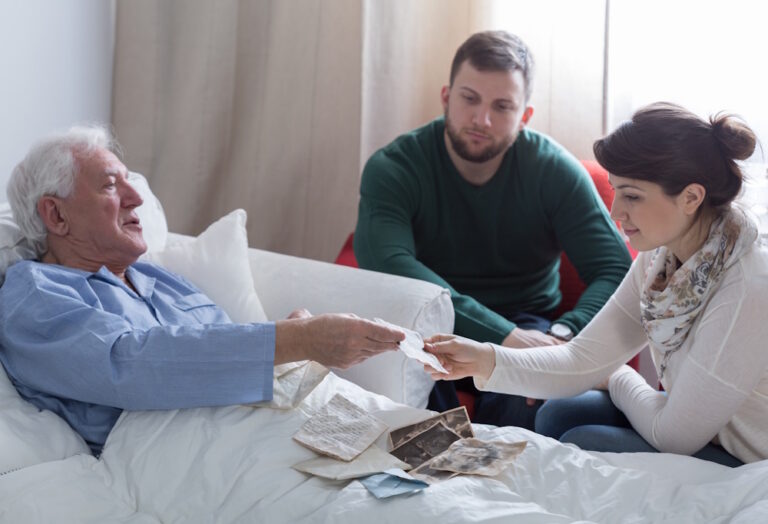
Loved ones with dementia can receive gentle, compassionate hospice care in a familiar setting: the place they call home.
Hospice care is dedicated to pain and symptom management, care from a chaplain and social workers, and even support from community volunteers. Hospice also considers the family’s well-being with benefits like bereavement counseling for up to 15 months.
When Does Someone with Dementia Qualify for Home Hospice Care?
If you’ve noticed changes in your loved one over time and wonder if they are ready for hospice care, your loved one’s physician is the best person to seek out for help.
Your loved one can receive the hospice benefit based on a physician’s observation and certification, along with your loved one’s signed consent or the consent of a designated healthcare proxy (durable power of attorney).
Physicians certify hospice care through Medicaid or Medicare when they have determined, based on a set of criteria, that a patient is in the terminal stage of dementia, meaning that the disease would run its normal course in six months or less, if left untreated.
According to the Centers for Medicare & Medicaid Services (CMS), a physician makes their observation based on criteria that include:
- Dependence on others for basic daily needs, including walking, dressing, or bathing.
- Inability to communicate with loved ones.
- Medical complications, such as major infections, recurring fevers, or significant weight loss.
If you’d like to read CMS’ complete information about qualifications for hospice, visit the full resource here. The information on this page notes that these qualifications are for Alzheimer’s Disease and related disorders, not for other types of dementia, like multi-infarct dementia related to a stroke.
How a Hospice Care Team Cares for Loved Ones With Dementia
Hospice care includes several services that are available for all who qualify. Focused on physical, emotional, and spiritual care, home hospice care provides a wide range of benefits to help your loved one and family. You can explore hospice care benefits in this overview from CMS or by reading them here.
Although hospice care benefits are largely universal for those who qualify, they are particularly helpful for loved ones with dementia for these three reasons:
- Familiarity and routine are important for loved ones with dementia. A strong hospice team creates routine and structure for how your loved one receives care.
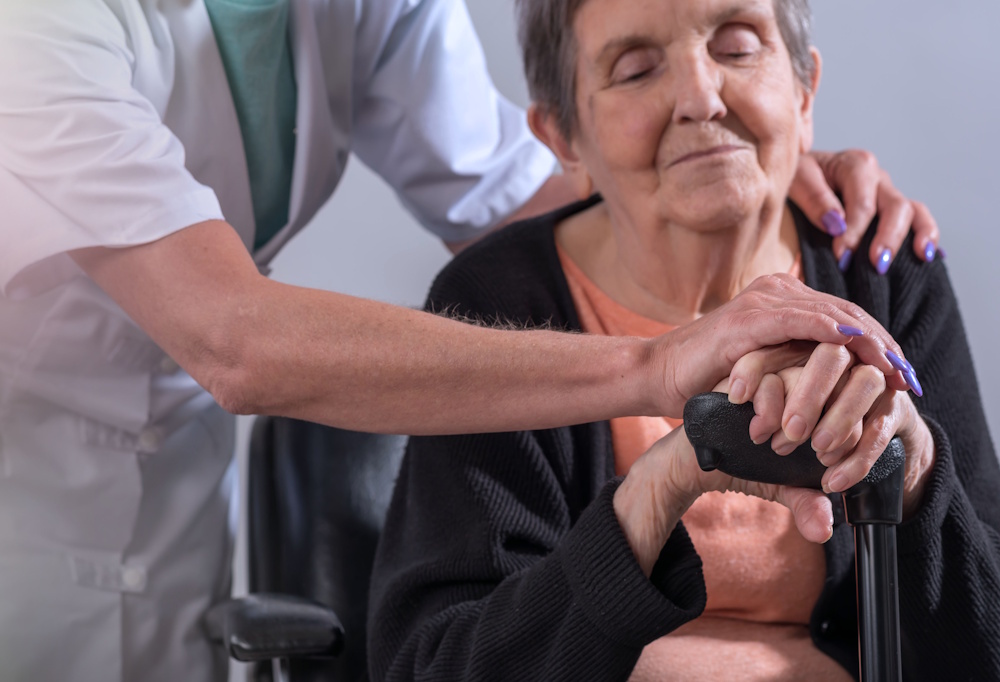
- Emotional awareness and a need for connection, soothing, and gentleness often remain, even when a loved one’s memory is weakened. Hospice is heavily focused on emotional care, including comfort, encouragement, and support.
- When a loved one is unable to communicate verbally, it is important to have skilled hospice nurses available who can collaborate with a family to understand nonverbal cues. An excellent hospice care team closely monitors your loved one’s condition with care and compassion, ensuring that their needs are being met.
- Family members caring for a loved one with dementia experience significant stress and hardship. Journals like Health Psychology Research cite that the majority of family caregivers feel “extremely” stressed. Hospice care provides relief for families through the help of social workers and community volunteers, 24/7 on-call nursing, respite care, and bereavement counseling.
When a loved one with dementia needs home hospice care, you and your family are in a difficult season of life. However, a hospice team is there for you and your loved one, helping you through each and every experience.
Choose a Hospice Care Team Who Understands Your Family’s Needs
Your loved one deserves organized, structured care that is dedicated to their physical, emotional, and spiritual needs. As a family member, you deserve patience, honesty, and compassion during this difficult time.
A hospice care team thoroughly covers these needs, so that you and your family can focus on being there for your loved one. Expect clarity, excellent communication, and answers to your questions that are delivered with sensitivity and genuine care for you and your loved one.
You should feel that your hospice care team can relieve your difficulties. A hospice team’s consistency and familiarity make you and your family feel more grounded, allowing you to experience this phase of your loved one’s journey while remaining fully present.
FAQ: Understanding Hospice Care for Dementia Patients
Q1. How does hospice care help someone with dementia? Hospice care focuses on comfort, symptom management, and emotional support. For dementia patients, the care team adapts their approach to nonverbal communication, while maintaining a steady, familiar routine, knowing the benefits of emotional care, and understanding the challenges that family members have faced as caregivers.
Q2. When does someone with dementia qualify for hospice care? Eligibility is based on overall decline, including reduced communication, increased dependence, and health complications. A physician and hospice team guide this decision based on specific criteria as outlined by the Centers for Medicare and Medicaid Services.
Q3. Can a person with dementia still feel comfort and connection? Yes. Many patients continue to respond to tone, touch, and familiarity, even in later stages of their condition.
Q4. What does a hospice nurse do for dementia patients? A home hospice nurse ensures your loved one’s care plan is being followed, monitors subtle changes, manages symptoms, adjusts the care plan as needed, and helps interpret nonverbal signs of discomfort or need.
Q5. Can hospice care happen in my loved one’s home? Yes. Hospice care at home can reduce your loved one’s anxiety or confusion by keeping them in a familiar environment, surrounded by family and trained, compassionate professionals who have their specific needs in mind.